A strong study abroad plan begins with sequencing. Students often start with university names, but the better first step is to define country fit, budget, degree goals, and career outcomes. Once those are clear, shortlisting becomes sharper and application effort is spent where it can actually convert.
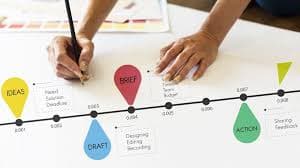
For 2026 admissions, applicants should build a calendar around intake deadlines, test dates, document preparation, and scholarship windows. Keep a separate tracker for transcripts, recommendation letters, essays, financial documents, and visa steps so nothing is handled in panic mode.
The best applications feel consistent. Your academic choices, SOP narrative, resume, recommendation letters, and interview answers should all point toward the same academic and career direction. That alignment is what helps admissions committees understand your story quickly.
Key Takeaways
Build a 12-month admissions calendar before deadlines arrive.
Match universities by academics, budget, visas, and long-term outcomes.
Prepare documents early so SOPs, LORs, and funding proof stay coherent.